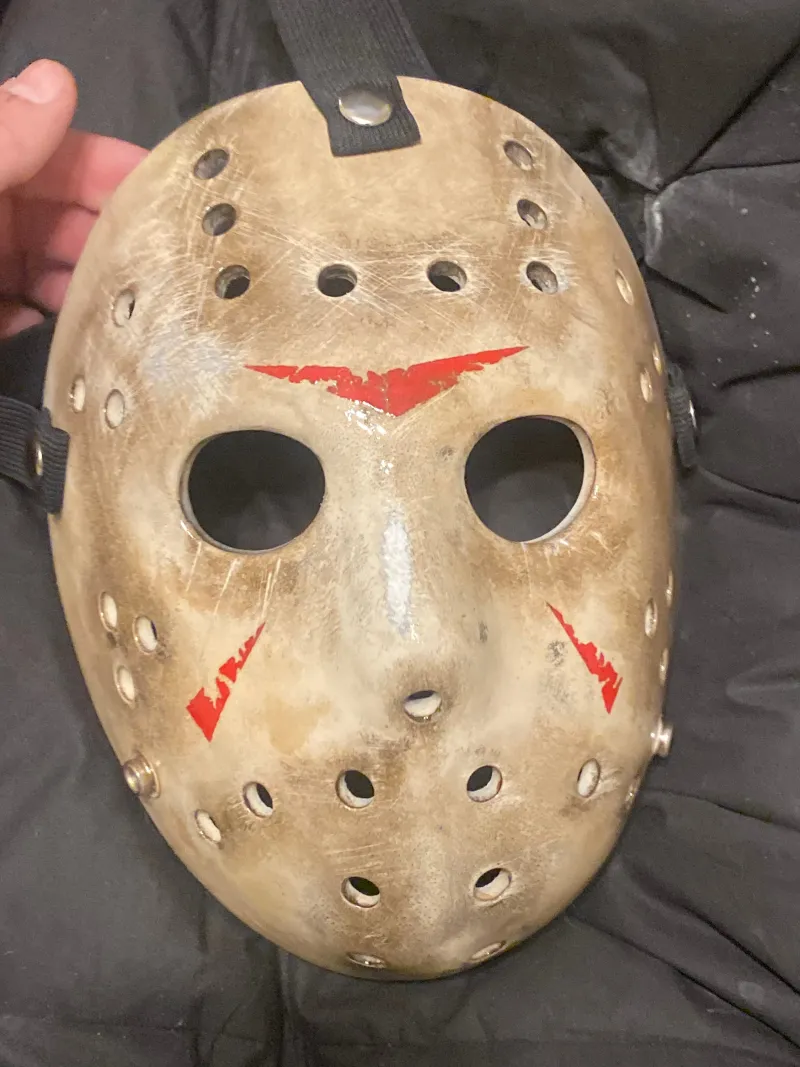
Press Play, Prepare for War: The Walk-On Track That Decides a Comedy Gig
Photo: The American Federationist, Public domain, via Wikimedia Commons
The Thirty-Second Handshake
There is a moment, just before a comedian walks on, when the entire room makes a judgment. The compère has said something vaguely apologetic. The lights have dipped. And then a song starts. Not a whole song—thirty seconds, maybe less, just enough to cover the walk from the sticky curtain to the mic. In that half-minute, the audience learns who they are about to meet: the charming scrapper, the snarling ranter, the whimsical weirdo, or the bloke who has clearly spent more time choosing a track than writing his closing bit.
Walk-on music is the most under-discussed element of British stand-up. Comics will spend hours agonising over a set list, then grab the first tune that sounds decent on their phone in the car park. Sound engineers will roll their eyes and cue it up anyway. And audiences, whether they know it or not, will use those thirty seconds to decide how much slack they are willing to give. Get it right and you have a room leaning forward before you have said a word. Get it wrong and you have a room bracing for a fight or, worse, a trip to the bar.
The Greatest Hits of the Circuit (and Why They Won't Die)
Spend enough nights in British comedy clubs and you start to notice patterns. The 2026 circuit has its own unofficial playlist, and it is stubbornly resistant to change. There is the stomping indie anthem that tells everyone to expect a lad with a guitar anecdote. There is the ironic Eighties pop number that signals a comic who wants you to know he is above all this while also desperately needing your approval. And there is the brass-heavy soul track that has been used so many times it now means nothing beyond 'a man in a slightly too-tight shirt is about to tell you about his divorce'.
Certain songs have become shorthand. The one with the wordless 'hey' chorus? That is a comic who wants to be liked. The one with the aggressive guitar riff and the swagger? That is a comic who wants to be feared, or at least respected, and who will spend the next twenty minutes proving he is neither. And then there is the track that every new act discovers in their first year and thinks is a brilliant secret—usually something from a film soundtrack—that a thousand other acts have already worn out.
Local identity plays its part too. A comic walking on to a self-consciously regional banger in Leeds or Glasgow is making a statement: I am one of you, or I am at least trying to be. In London, where half the room is from somewhere else, the same track can land as a hollow gesture. One sound engineer told me he has learned to read the room's reaction to the walk-on music better than the comedy itself. 'If they start singing along, the comic is already halfway there,' he said. 'If they start checking their phones, it is going to be a long night.'
A USB Stick and a Prayer: The Sound Engineer's View
The walk-on track is also a practical headache. Most clubs do not have a dedicated sound person; there is a bloke called Dave who does the lights, the mics, and the music, and who has been doing it since before you were born. Comics turn up with tracks on their phones, on a USB stick, or—God help everyone—on a scratched CD-R that has been living in a coat pocket since 2019. One act recently tried to play a track from a YouTube link, only for an advert for a car insurance comparison site to fill the room. The comedian is still recovering.
Volume is another battleground. Too quiet and the comic walks on in awkward silence, the track sounding like a distant ice cream van. Too loud and the audience is pinned to their seats, unable to hear the first joke. The best sound engineers fade the track down at exactly the right moment, a skill that is never noticed but always missed when absent. There is also the question of length. A walk-on track should be brief—a burst of energy, not a full commitment. Comics who let a song play for two minutes while they adjust the mic stand are not making a statement; they are wasting everyone's time.
When the Track Fights the Comic
A bad walk-on track does not just fail to help; it can actively sabotage. Play something aggressive and the room tenses, waiting for a confrontation that never comes if the comic is actually a mild-mannered man with a nice line in whimsical observations. Play something too ironic and the audience spends the first five minutes trying to work out if you are doing a character. Play something too popular and you hand the room a singalong that has nothing to do with your material. One comic I know used a raucous football anthem for years, only to find audiences in certain cities decided his entire set was fair game for chanting. He now walks on to a piece of ambient jazz. His gigs have improved.
The worst crime, though, is the track that promises an edge the comic cannot deliver. A snarling rock riff suggests danger, unpredictability, possibly a man who will say something genuinely outrageous. If the comic then opens with a gentle joke about hotel breakfasts, the gap between song and substance is so wide that the room feels duped. The music has done the opposite of its job: it has made the audience suspicious.
Press Play and Pray
The walk-on track is not the most important part of comedy. Good jokes will always win. But in a crowded market, where a gig can be won or lost in the first thirty seconds, it is a tool worth taking seriously. The right song tells the room what to expect without giving the game away. The wrong one tells them to brace themselves, and they may never fully relax again. So next time you see a comic stride on to a familiar tune, listen to the room's reaction. That is not just music. That is the sound of a reputation being made, or quietly buried, before the first punchline lands.