Naan of Your Business: The Late-Night Curry Code That Keeps the Comedy Circuit Fed
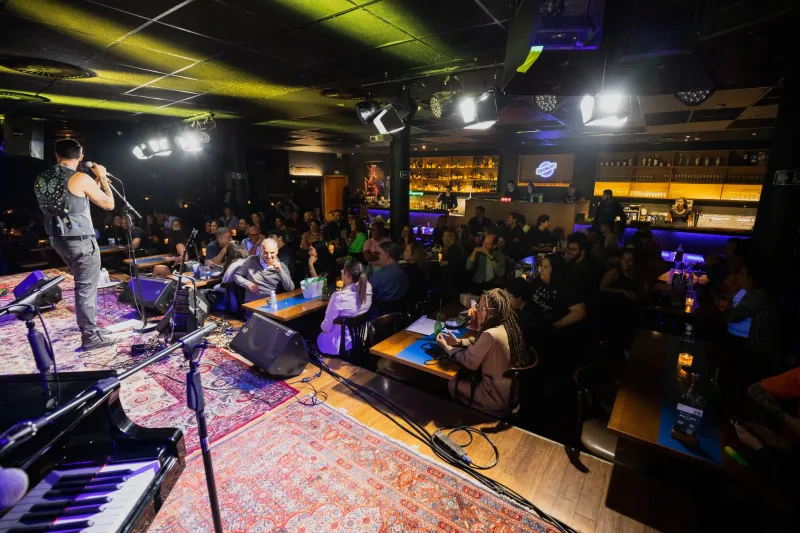
At 11:07pm on a wet Tuesday in Birmingham, a comedian is staring into a laminated menu as if it holds the secret to a better closing line. The gig is over. The bucket has been rattled. The venue's lights have gone up and the audience has gone home to watch something with subtitles. But the night is not finished, because the circuit has a second stage and it smells of cumin, fried onions and a faintly desperate hope that somebody else is paying.
The post-gig curry house is where comedy goes to digest. It is not on the bill. It has no compère. There is no green room, unless you count the plastic table by the window with the wobbling leg. Yet this is where the real business gets done: fees are quietly argued over, double acts are repaired or quietly dissolved, and a headline act discovers that the phrase "I'll get this" can travel further than any tour anecdote.
The Second Stage Opens at Midnight
Every comedy town has its curry house of record. In Manchester it is somewhere off the Curry Mile, in London it is a Brick Lane survivor with a waiter who has seen three generations of panel-show hopefuls, and in Glasgow it is the place that stays open long enough to serve a comedian who has just died for forty minutes and needs salt, fat and a mango lassi to feel human again.
The rules begin before you sit down. Nobody says them aloud, because the comedy circuit runs on superstition and the fear of looking like a knob. But they are there, laminated in the imagination. The first is simple: the curry is not a gig. Do not perform. The person who does a "bit" for the waiter at 12:15am is the same person who will be doing a "bit" at a funeral. There is a time and a place, and this is neither.
Seating Plans and the Hierarchy of Hunger
Who sits where matters. The headline act gets the seat facing the door, not out of vanity but because they have spent two hours being looked at and now want to look at something else. The compère sits near the middle, close enough to referee but far enough from the kitchen to avoid being asked to taste the sauce. The new act sits wherever there is a chair, ideally not next to the promoter who is still holding a clipboard and a grudge.
Then there is the double act. If they are still a double act, they sit opposite each other. If they are on the verge of splitting, they sit side by side and order separately, which is the comedy equivalent of putting a lock on the fridge. If they are properly finished, one of them will say "we should do this more often" and the other will look at the poppadoms as if they have personally betrayed them.
Who Pays, Who Stirs the Balti
The bill is the great unspoken drama. The promoter, if present, will reach for it with the speed of a man who has already worked out the split. The headline will say "no, no, I insist" in a tone that suggests they have insisted before and it did not end well. The new act will offer to pay for their own and be waved away, then spend the next twenty minutes calculating whether they can afford a Cobra and still get the night bus.
There is a hierarchy of generosity. The act who got paid the most is expected to be magnanimous, but not smug. The act who got paid least is allowed to order a starter, but only if they have died on stage and need the emotional support of onion bhajis. And nobody, under any circumstances, orders the most expensive thing on the menu unless they are buying. This is not a written law, but it is enforced by a look from the waiter that says, "I have seen empires fall for less."
The Shared Naan Treaty
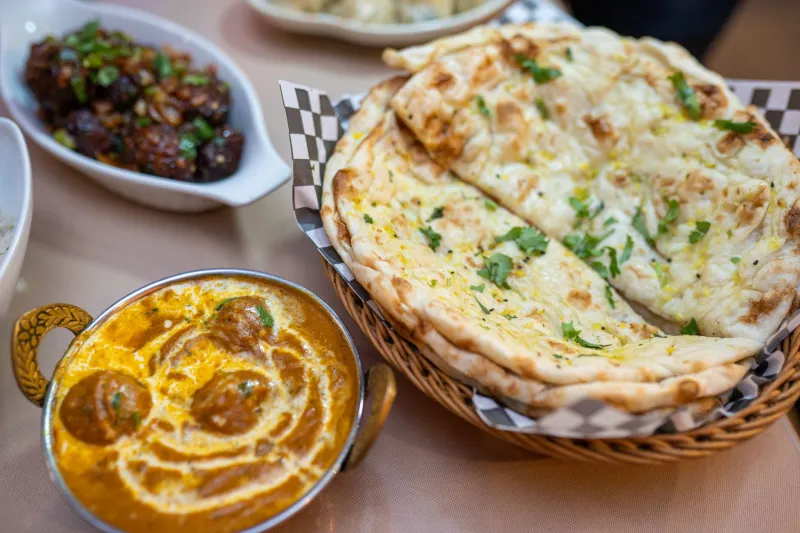
A shared naan can save a dying double act. This is not a joke. There is something about tearing bread with someone you have just spent forty minutes trying to upstage that resets the soul. You cannot maintain a proper theatrical feud while passing a garlic naan across a formica table. The butter gets on your fingers, the argument gets on your nerves, and eventually someone says, "go on then, have the last bit" and the whole thing feels less like a divorce and more like a Tuesday.
The same applies to rice. Ordering one rice between two is either intimacy or war, depending on the couple. The waiter will ask, "one rice or two?" and the table will fall silent. The correct answer is two, because one rice between two comedians is a recipe for passive aggression and a chip on the shoulder the size of a peshwari naan. But if money is tight, one rice and a shared chapati is acceptable, provided the person who suggested it buys the next round of drinks.
Waiters, Hecklers and the Rice Question
The real hecklers in the curry house are not drunk. They are professional. They have been waiting for you to finish your sentence about your ex-girlfriend so they can ask, "You want rice with that?" It is the most devastating ad-lib of the night, and it is not even on the bill. The waiter does not care that you died on stage. The waiter cares that you have not decided between pilau and plain. This is a useful corrective. Comedy can make you feel like the centre of the universe; a curry house can make you feel like a man who has not read the menu properly.
The 2026 Price of a Post-Gig Feast
In 2026, the great British comedy curry is under pressure. Rents are up, spices are up, and the price of a post-gig Cobra has reached the point where some acts are quietly switching to tap water and a packet of mints from the venue. Promoters are watching the bill as closely as the audience watches the headliner. The curry house is not exempt from the cost-of-living crisis. It is just more honest about it, because the menu has numbers on it.
Some circuits now do the unthinkable: they go home. They eat a bowl of cereal, watch a bit of telly and pretend the night ended at the venue. It saves money, but it costs something else. The post-gig curry is where the circuit becomes a community rather than a sequence of rooms. It is where the new act gets advice, the old act gets a reminder that they are not untouchable, and the promoter gets to explain why the bucket was lighter than expected.
Last Spoonful
So raise a glass of mango lassi to the late-night curry house: the only venue on the circuit where the bill is split, the egos are poppadom-crushed and the waiter gets the biggest laugh of the night without even trying. The rules are unwritten, the naan is shared, and the rice question is always coming. In 2026, it may cost more than ever, but a comedy circuit without a post-gig curry is like a joke without a punchline: technically possible, but nobody wants to sit through it.