Say Cheese, Look Furious: The Immortal Curse of the Comedy Press Shot
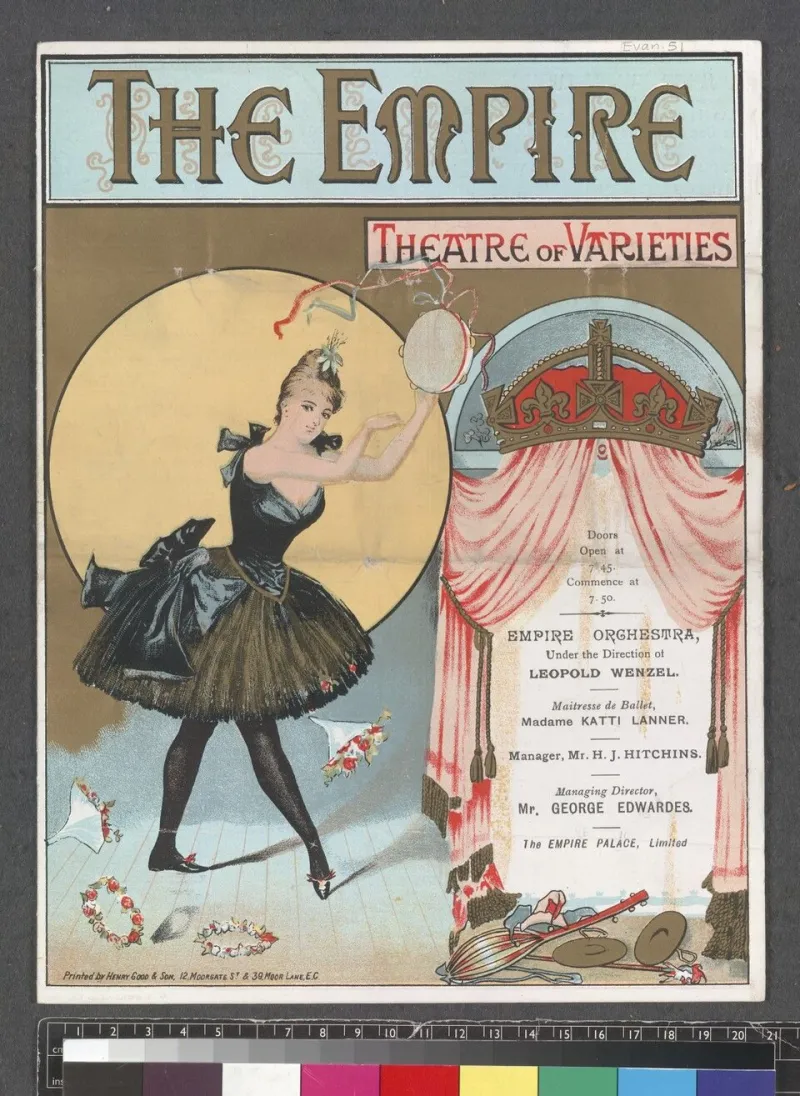
Photo: Southwold1966, CC0, via Wikimedia Commons
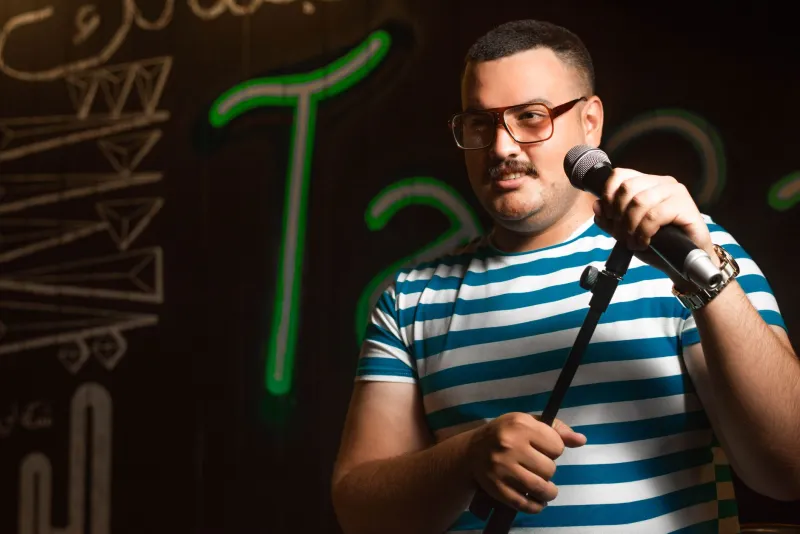
There is a particular photograph haunting British comedy. You have seen it. A bloke in a dark shirt, arms folded like he is guarding the last pork pie at a wake, chin tilted at an angle that says 'I have seen things, mostly in Swindon'. The resolution is a rumour. The background is either a brick wall or a curtain that once belonged to a suburban hotel. And it will outlive us all.
This is the comedy press shot: the low-grade, high-stakes portrait that promoters cling to, comics dread, and audiences read like a tea leaf. Before a single joke is told, that image has already done a full ten-minute set on your behalf. And sometimes it has died on its arse.
The Photo That Arrives Before You Do
Every comedian has a folder on their laptop called something like 'press pics final final use this one'. Inside are seven variations of the same face: arms folded, arms unfolded, leaning on a stool, leaning on a wall, laughing at something off-camera like a man who has just remembered a brilliant chip shop. The promoter will ignore all of them and choose the blurriest one from 2019, then crop it badly for a Facebook event banner.
The miracle of the modern circuit is that your reputation can be built on a jpeg smaller than a postage stamp. A listings page in Leeds, a pub back room in Bristol, a theatre foyer in Crewe — all of them will display a version of you that looks like it was faxed over by a man in a hurry. The audience does not know you yet. But they have seen your folded arms, and they have made a decision.
Why Promoters Love a Blurry Bloke With Folded Arms
The folded-arm pose is not an accident. It is the visual equivalent of a comedian saying 'I am not going to be nice'. It signals confidence, edge, and the vague possibility that you might say something about your mother-in-law that cannot be repeated in a church hall. Promoters adore it because it looks like comedy. It looks like the posters they had in the nineties, before jokes had to compete with Instagram reels of a dog on a skateboard.
A moody black-and-white shot is even better. Black and white tells the punter: this is an artist. This is a person who has suffered for their craft, probably in a Travelodge near Doncaster. Colour, on the other hand, can betray too much. A bright colour headshot from a wedding reception, complete with a sliver of someone else's prosecco, does not scream 'stand-up'. It screams 'cousin Gary has agreed to do a turn'.
And so the circuit runs on a diet of grainy portraits. They are cheap, they are available, and they require nobody to book a photographer. The comic sends over a photo taken by a mate on an iPhone 6. The promoter stretches it across a poster. The audience squints at it on the bus. Somehow, the whole night happens anyway.
The Five Classic Press-Shot Species
First, the Wall Lean. The comic rests one shoulder against exposed brick and gazes into the middle distance, as if contemplating the nature of laughter or whether the venue has a card machine. Second, the Stool Perch. A single leg up, elbow on knee, a pose that suggests both authority and mild lower-back pain. Third, the Black and White Brooder. Usually shot in a car park at dusk, it promises intensity and delivers a man who is worried about the parking meter.
Fourth, the Accidental Action Shot. This is the one where the comic is mid-laugh or mid-gesture, and the camera has caught them looking like a startled heron. It is meant to convey energy. It usually conveys the exact moment they forgot their next line. Fifth, the Old Headshot That Will Not Die. Taken in 2014, it shows a comic with a different haircut, a different waistline, and the optimism of a person who has not yet discovered bringer nights.
Every one of these images tells a story. Unfortunately, it is rarely the story the comedian intended. A blurry headshot says 'budget'. A moody one says 'I might be difficult'. A badly cropped one says 'the promoter was doing this at eleven at night after two pints'. None of these are fatal, but they all precede you like a lad handing out flyers for a club night you did not agree to.
What Audiences Actually Read Into It
Punters are not stupid. They know a press shot is a costume. But they still use it as a first impression, because there is nothing else to go on. If the photo is warm and smiley, they expect a friendly compère. If it is dark and folded-armed, they expect a bit of bite. If it is a blurry close-up with one eye closed, they expect either a surrealist or a man who blinked at the wrong moment and refused to pay for a reshoot.
This is the quiet power of the image. It sets the temperature of the room before the room has even filled. A comic who looks like they are about to sell you a second-hand car will get a different first laugh from a comic who looks like they are about to read you a poem about their father. The press shot is not the joke, but it is the handshake.
The Redemption Arc of the Bad Headshot
There is hope. Every so often, a comic updates their photo. The new one is sharper, brighter, and actually looks like them. The old one still lurks on a listings site in Halifax, like a ghost in a cardigan. But the new image slowly wins. Promoters start using it. The foyer posters catch up. The audience arrives expecting a person rather than a grainy legend.
Until then, the folded arms remain. They are part of the furniture of British comedy, along with the sticky pint glass and the compère who says 'we've got a great night for you'. The press shot is a daft little ritual, but it is our daft little ritual. And if you see a moody black-and-white portrait of a man leaning against a brick wall in a theatre foyer this weekend, do not judge him too harshly. He is probably lovely. He just had a mate with a camera and a tight deadline.