The Five-Ticket Handicap: What Bringer Nights Really Cost a New Comic
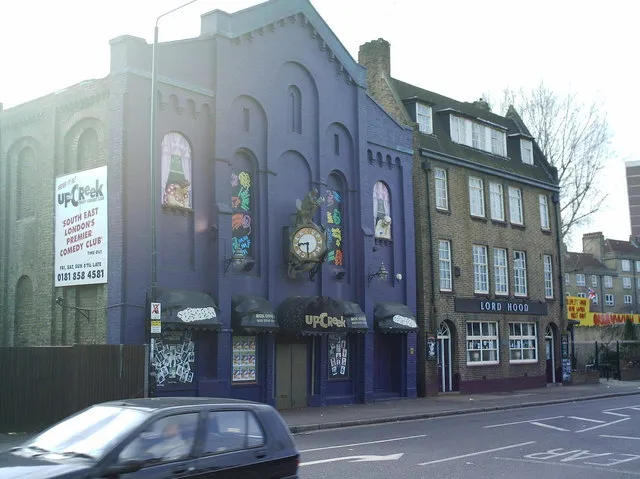
Photo: Len Williams, CC BY-SA 2.0, via Wikimedia Commons
Bringer night is the comedy circuit's answer to a pub quiz with a cover charge: you turn up, you perform, and somebody has already done the maths on your enthusiasm. The format is simple. A promoter gives a new act five minutes on stage in exchange for selling a set number of tickets — usually five to ten — to friends, family, colleagues or, in the more desperate cases, strangers outside a Wetherspoons. Fail to shift the quota and you either hand over the difference or watch your name disappear from the running order. Welcome to the gig economy's smallest, sweatiest branch.
The rules of the game
Every bringer night has its own dialect. Some call it a 'ticket quota'. Others prefer 'bringer basis', 'guest list commitment' or the beautifully vague 'selling requirement'. The numbers wobble from room to room. A Monday night in a Manchester basement might ask for five tickets at £5. A Saturday showcase in London — the sort with a clipboard and a photographer — might demand ten at £8, plus a booking fee that goes straight to the ticketing platform. The act is not an employee. The act is not a customer. The act is a one-person street team with a microphone allergy.
The pitch is always the same: this is how you earn stage time. Never mind that the audience has paid to see comedy and is now watching a rota of nervous people who have spent the week begging their mates on Instagram. Never mind that the promoter has outsourced the marketing to the least experienced person in the building. The bringer night is not a gig. It is a group project where one person gets the grade and everyone else gets the receipt.
How the model spread
The bringer night did not arrive from nowhere. It grew out of the practical panic of running a room: pub function spaces need filling, PRS forms need paying, and a promoter with more ambition than cash needs bums on seats. In the 2010s, as open-mic nights multiplied faster than vape shops, the bringer model became a handy risk-transfer device. The promoter's risk — will anyone turn up? — became the act's problem. By 2026 it is less a quirk of the circuit and more a fixture of it, from Bristol back rooms to Glasgow function suites, from Leeds to Brighton, from the kind of club that prints a lanyard to the kind that sells crisps from a box.
The spread was helped by social media. An act can now flog tickets to strangers through a story post, a Facebook group or a WhatsApp message that begins 'hi babes, hope you're well, no pressure but'. The model is scalable, which is another way of saying it can make more people miserable at once. Some nights are run by genuine comedy fans trying to build a scene. Some are run by chancers who have discovered that a stage, a spotlight and a queue of hopefuls is a cheaper business than a car wash.
The maths of a £6 ticket
Let's do the sums that every new act does in the queue for the loo. Quota: eight tickets. Face value: £6. If the act sells them, that's £48 through the door. But many bringer nights ask acts to buy unsold tickets upfront at a discounted rate — say £4 each — and then sell them on. Sell all eight and you might clear £16, minus travel, minus a pint, minus the price of printing flyers you will never use. Sell none and you are down £32 before you have even paid for the bus.
Then there is the hidden cost. The act takes time off work. The act pays for a travelcard. The act buys a drink because it is rude not to. The act maybe buys chips because the gig is in a part of town where hope is not on the menu. By the end of the night, a five-minute spot can cost more than a ticket to see a proper headliner. This is the bringer night's central joke: the person on stage is often the only person in the room who has paid to be there.
Material by committee
The financial pressure leaks into the writing. When you need to sell tickets to your mate's housemates, your material starts to sound like a pitch. You avoid the weird stuff. You avoid the slow burn. You avoid anything that might make a stranger think, 'I paid £6 for this and I am now going to text my ex'. You write jokes that will land with a group of people who know you, which is a different skill from making a room of strangers laugh. The bringer night does not just tax your bank balance. It taxes your voice.
One comic describes the process as 'writing for the group chat'. Another says she spent three months doing safe material about trains and weather because her ticket-buying friends were not ready for the stuff she actually found funny. The material becomes a hostage. You cannot experiment when the audience is a favour economy. You cannot bomb in peace. Every silence is followed by a mental calculation: that silence cost me £4.
The promoters' defence
In fairness, the bringer night has its defenders, and some of them are not monsters. Room hire in UK cities is not cheap. Insurance, licensing, staff and marketing all add up. A promoter who fills a 60-seat room with acts' friends and family can keep the lights on and pay a headliner. The bringer model also teaches hustle. Selling tickets is part of the job, even if it is the least glamorous part. A comic who can charm a stranger into a basement in February has learned something about audience-building.
Some promoters go further. They offer mentoring, feedback, a proper sound check and a slot that runs on time. They cap the quota at a number that does not require a second mortgage. They are transparent about the money. The problem is not the principle of sharing risk. The problem is the lack of a floor. When there is no standard, the desperate get squeezed. And there is always someone more desperate.
What the acts say
Ask acts about bringer nights and you get a range of noises, from a resigned sigh to a full theatrical groan. 'I once spent £70 to do four minutes about my commute,' says one London-based newcomer. 'My mum now has a loyalty card for a comedy night she does not enjoy.' Another act describes selling tickets outside a pub to people who assumed they were being recruited for a timeshare presentation. A third says the model is 'a tax on enthusiasm'. None of them have stopped doing it. That is the quiet tragedy of the bringer night: it works because the alternative is not performing at all.
There are ethical wrinkles, too. Acts are encouraged to sell to strangers, which can mean approaching people who have not consented to a sales pitch. Some nights blur the line between audience and punter. If a comic is financially penalised for not filling seats, the pressure to mislead — 'it's a proper comedy night, honest' — is obvious. The bringer night is not inherently exploitative, but it is structurally wobbly. It relies on the hope of people who have not yet learned to say no.
A necessary evil?
So is the bringer night a necessary evil or a quiet con? The honest answer is that it is both, depending on who is holding the clipboard. At its best, it is a scrappy, communal way to keep small rooms alive and give new acts a first go. At its worst, it is a way for a promoter to run a business on other people's friendship groups. The difference is usually transparency, a fair quota and a promoter who sees acts as people rather than traffic.
In 2026, the smarter rooms are trying alternatives: pay-what-you-can nights, mixed bills with a small entry fee, audience nights where the club does the marketing and the act does the jokes. They are not perfect, but they do not ask a nervous 23-year-old to become a ticket tout for the privilege of dying on stage. The bringer night will survive, because the circuit runs on hope and cheap room hire. But it could stand to be a little less bringer and a little more night.